A Comprehensive Guide to Selecting the Right Heat Transfer Systems for Your Needs
Selecting the suitable Heat transfer system is vital for operational performance. Various systems satisfy various needs, affected by variables such as temperature range and fluid kind. Understanding the principles behind Heat transfer, such as transmission, radiation, and convection, is critical. Furthermore, reviewing power resources and maintenance techniques can affect long-lasting efficiency. A closer assessment of these considerations exposes just how to customize a system to details requirements. What should one prioritize in this complicated decision-making procedure?
Understanding Heat Transfer: Key Concepts and Concepts
Heat transfer might appear like an uncomplicated principle, it incorporates a range of principles that are essential for reliable system layout - DVS Heat Transfer Systems. Comprehending these concepts is necessary for engineers and designers who aim to enhance thermal efficiency in various applications. Conduction, as an example, entails the transfer of Heat through solid products, while convection refers to the movement of Heat within liquids. Radiation, one more crucial concept, explains exactly how Heat can be moved with electromagnetic waves. Each of these mechanisms plays an important duty in determining just how power relocates within a system. By extensively grasping these concepts, specialists can make informed decisions, making certain that Heat transfer systems operate effectively and satisfy the specific demands of their applications
Sorts Of Heat Transfer Equipments: An Overview
Understanding the concepts of Heat transfer lays the foundation for discovering the numerous kinds of Heat transfer systems available. Heat transfer systems can be categorized largely into three kinds: transmission, convection, and radiation. Transmission entails Heat transfer through strong products, counting on direct contact between fragments. Convection, on the other hand, takes place in liquids (gases and fluids) where the motion of the fluid itself assists in Heat transfer. Radiation includes the transfer of Heat via electro-magnetic waves and does not call for a tool, permitting it to take place in a vacuum. Each kind of system has distinct characteristics and applications, making it essential for individuals and companies to carefully examine their particular needs when picking one of the most ideal Heat transfer service.
Applications of Heat Transfer Solutions in Numerous Industries
Heat transfer systems play a crucial duty across different sectors, affecting effectiveness and product high quality. In commercial production procedures, they promote exact temperature level control, while in food and beverage processing, they ensure security and preservation. Additionally, HVAC and climate control systems count heavily on effective Heat transfer to maintain comfortable settings.
Industrial Manufacturing Processes

Numerous commercial manufacturing processes rely greatly on efficient Heat transfer systems to make the most of efficiency and improve item high quality. In industries such as metalworking, Heat exchangers play an essential function in keeping ideal temperatures during welding, casting, and creating. These systems ensure consistent Heat distribution, which is vital for attaining desired material buildings. In a similar way, in the chemical manufacturing industry, Heat transfer systems facilitate precise temperature level control during reactions, influencing return and security. In fabric manufacturing, efficient Heat monitoring is vital for coloring and completing procedures, affecting color consistency and textile quality. By picking proper Heat transfer innovations, suppliers can boost energy efficiency and reduce functional expenses, ultimately bring about a much more affordable and sustainable manufacturing environment.
Food and Beverage Processing
Efficient Heat transfer systems are similarly essential in the food and drink processing market, where keeping suitable temperature levels is important for food safety and security and high quality. These systems play an important role in processes such as food preparation, sanitation, and pasteurization, guaranteeing that products are safe for usage and maintain their nutritional value. Heat exchangers, for circumstances, effectively transfer Heat in between liquids, enhancing energy use while reducing temperature level fluctuations. In addition, refrigeration systems are basic for protecting disposable items and expanding service life. The choice of Heat transfer modern technology directly affects operational effectiveness and item honesty, making it vital for food and drink producers to choose the ideal systems customized to their certain processing requirements. This cautious choice inevitably contributes to customer satisfaction and food safety.

Heating And Cooling and Environment Control
While lots of sectors depend on Heat transfer systems for efficiency, A/C (Heating, Ventilation, and Cooling) plays a vital role in keeping indoor environment control throughout numerous settings. These systems make use of Heat transfer principles to manage air, temperature level, and humidity high quality, guaranteeing comfort and safety and security in residential, business, and industrial atmospheres. Properly developed a/c systems boost energy efficiency, minimize functional expenses, and minimize ecological influence. In business structures, for instance, efficient environment control adds to staff member performance and consumer fulfillment. my site In commercial applications, heating and cooling systems assist keep optimal problems for equipment procedure and item conservation. Picking the appropriate Heat transfer system is essential for meeting certain climate control needs and attaining overall system efficiency.
Evaluating Energy Resources for Heat Transfer Systems
In assessing power sources for Heat transfer systems, a contrast of renewable resource options and nonrenewable fuel source factors to consider is important. Sustainable sources, such as solar and wind, offer sustainable options that can minimize environmental impact. Conversely, fossil fuels remain widespread as a result of their well established facilities and energy density, prompting a mindful analysis of both choices.
Renewable Power Options

Nonrenewable Fuel Source Factors To Consider
Examining nonrenewable fuel source factors to consider is essential for the efficiency and sustainability of Heat transfer systems. Fossil gas, such as natural gas, oil, and coal, are traditional energy sources that supply significant Heat output, making them popular selections for industrial and domestic applications. Their environmental effect, including greenhouse gas discharges and resource deficiency, increases worries. When picking a warmth transfer system, it is vital to assess the accessibility, expense, and regulatory aspects related to these fuels. Furthermore, the effectiveness of nonrenewable fuel source systems must be considered, as greater efficiency can minimize some environmental disadvantages. Ultimately, a well balanced strategy weighing performance and sustainability can lead decision-makers toward the most suitable Heat transfer service for their certain demands.
Factors to Take Into Consideration When Picking a Heat Transfer System
Choosing a proper Heat transfer system calls for mindful factor to consider of numerous variables that can substantially influence efficiency and performance. One crucial read this factor is the operating temperature level range, which dictates the products and style appropriate for the application. Furthermore, the kind of liquid made use of in the system-- whether gas or fluid-- influences Heat transfer performance and compatibility. The system's dimension and capacity need to align with the details demands of the procedure to stay clear of inadequacies. Energy source accessibility is likewise necessary, affecting operating expense and sustainability. The installation environment, including area restrictions and accessibility for maintenance, plays a substantial duty in system option. Finally, governing compliance and security criteria must be considered to ensure the system fulfills all legal needs.
Upkeep and Effectiveness Optimization for Heat Transfer Solutions
Preserving Heat transfer systems is crucial for making certain maximum effectiveness and longevity. Regular maintenance activities, such as cleaning Heat exchangers and checking insulation, aid avoid efficiency losses due to fouling and thermal connecting. Furthermore, keeping an eye on system parameters, consisting of pressure and temperature level, enables for very early discovery of anomalies, minimizing downtime and expensive repairs. Executing a preventative maintenance routine can optimize performance and expand the lifespan of elements. Upgrading to sophisticated control systems can boost operational efficiency by changing to differing conditions and loads. By focusing on upkeep and efficiency optimization, operators can accomplish minimized power intake, reduced operational costs, and enhanced overall system dependability, eventually bring about better resource utilization and a more lasting procedure.
Future Fads in Heat Transfer Technologies
As industries progressively focus on sustainability and power performance, future fads in Heat transfer innovations are readied to go through considerable improvements. Advancements such as advanced products, consisting of carbon nanotubes and nanofluids, guarantee improved thermal conductivity and performance. Furthermore, the combination of renewable resource sources right into Heat transfer systems is gaining momentum, promoting environmentally friendly services. Smart modern technologies, consisting of IoT sensors, are expected to reinvent monitoring and control, allowing real-time data analysis for maximized performance. In addition, the advancement of small and modular systems will certainly facilitate easier installment and upkeep, satisfying varied applications. These developments suggest a shift in the direction of more lasting, effective, and versatile Heat transfer services, lining up with worldwide energy goals and environmental standards.
Often Asked Questions
What Are the Environmental Influences of Heat Transfer Systems?
The ecological impacts of Heat transfer systems can include greenhouse gas discharges, power usage, and prospective thermal contamination. In addition, inappropriate disposal of inadequacies and products can contribute to source depletion and environment disturbance.
Exactly how Do I Calculate the Cost-Effectiveness of a Warm Transfer System?
To determine the cost-effectiveness of a warm transfer system, one need to assess initial expenses, functional expenditures, maintenance requirements, and energy efficiency, comparing these elements versus the expected life expectancy and performance of the system.
Can Heat Transfer Systems Be Made Use Of in Residential Settings?
Heat transfer systems can without a doubt be utilized in residential setups. They give effective home heating and cooling down remedies, making homes much more comfy while potentially lowering energy expenses. Their convenience enables for numerous applications in residential environments.
What Safety Regulations Apply to Heat Transfer Solutions?
Security laws for Heat transfer systems normally consist of guidelines on setup, operation, and maintenance. Conformity with local building ordinance, manufacturer specifications, and industry criteria is vital to guarantee efficient and safe system efficiency in numerous applications.
Exactly How Do Different Materials Affect Heat Transfer Performance?
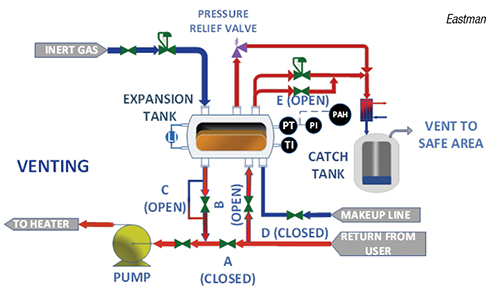
Transmission, for instance, includes the transfer of Heat via strong products, while convection refers to the movement of Heat within liquids. Recognizing the concepts of Heat transfer lays the groundwork for checking out the numerous kinds of Heat transfer systems available. Heat exchangers, for circumstances, effectively move Heat in between liquids, maximizing power usage while decreasing temperature level variations. In evaluating energy resources for Heat transfer systems, a comparison of eco-friendly energy choices and fossil fuel considerations is essential. Steels, such as copper and light weight aluminum, conduct Heat properly, whereas next insulators like rubber and glass reduce down Heat flow.